At 108 Harley Street, many patients come to us unsure whether their discomfort, bulge, or change in the abdominal area is actually a hernia. Symptoms vary widely and can be confusing, which is why clear information matters. This guide explains the signs we look for in clinic, the symptoms that indicate a hernia is getting worse, and when to seek urgent care.
What a Hernia Is, A Simple Explanation
A hernia occurs when tissue pushes through a weakened area of the abdominal wall. This can happen in several locations such as the groin, around the navel, near a previous surgical scar, or at the diaphragm. The position of the hernia influences the symptoms a patient may notice.
The Most Common Symptoms of a Hernia
A Noticeable Lump or Bulge
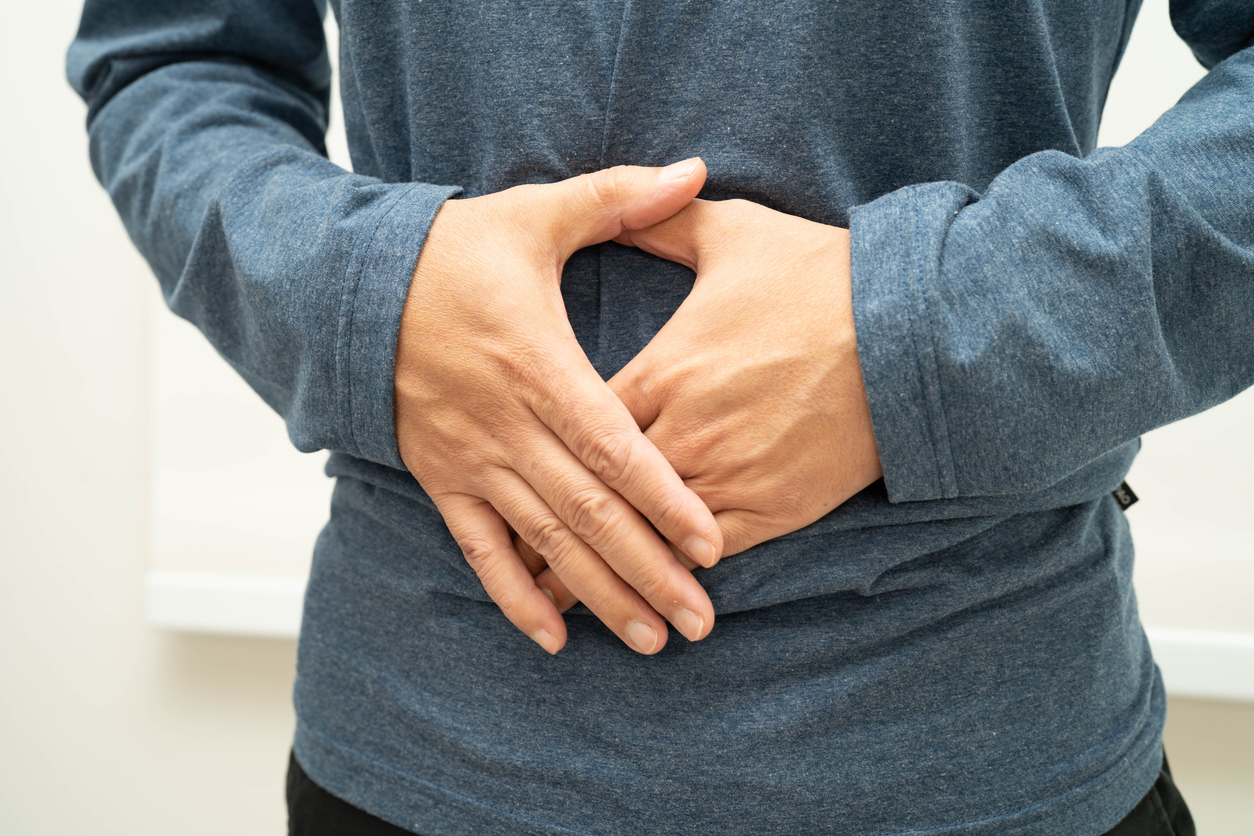
Most hernias create a visible or palpable bulge. It often appears when standing, lifting, or coughing. Many patients tell us the bulge seems to come and go. This happens because tissue slips in and out of the weakened area depending on pressure within the abdomen. Some hernias do not show a clear lump, which can delay diagnosis.
Discomfort, Pain, or a Heavy Feeling
Pain may be mild at first and often increases with physical activity. You might feel an ache in the groin, abdomen, or the specific area of the hernia. Activities that increase internal pressure, such as lifting or straining, can cause sharper discomfort. Symptoms often progress slowly, which is why early assessment is beneficial.
Burning, Aching, or Pressure Sensation
A burning or pressure like sensation can develop as local nerves become irritated. This can signal that the hernia is becoming more pronounced.
Changes in the Area, Swelling or Tenderness
Local tenderness or swelling is common. These symptoms can be subtle at first but tend to worsen as the hernia enlarges.
Symptoms That Depend on the Type of Hernia
Inguinal Hernia Symptoms
Inguinal hernias are the most common type and appear in the groin. Symptoms include a groin bulge, discomfort when walking or lifting, and occasionally testicular pain in men.
Femoral Hernia Symptoms
Femoral hernias sit just below the groin crease. Symptoms are often subtle but may include discomfort in the upper thigh or groin. These hernias carry a higher risk of complications, so medical review is important.
Umbilical Hernia Symptoms
Umbilical hernias cause a bulge around the navel. Pain usually increases with coughing, laughing, or straining.
Hiatal Hernia Symptoms
Hiatal hernias occur internally at the diaphragm. They often present with heartburn, reflux, difficulty swallowing, or chest discomfort. Many patients initially assume these symptoms are related to digestion rather than a hernia.
Incisional Hernia Symptoms
This type appears near a previous surgical scar. A visible bulge and weakness in the abdominal wall are common. Symptoms often become more noticeable when standing or lifting.
Symptoms That Suggest a Hernia Is Getting Worse
Increasing Pain or Pressure
If discomfort is becoming more frequent or more intense, the hernia may be enlarging or developing complications.
A Bulge That Cannot Be Pushed Back In
If a bulge becomes firm and no longer reduces back into the abdomen, this can indicate incarceration. This requires prompt assessment.
Skin Changes, Redness or Firmness
Redness or warmth over the area can suggest inflammation. Firmness can indicate the hernia is trapped.
Emergency Symptoms, When to Seek Immediate Care
A hernia can become a surgical emergency if trapped tissue loses its blood supply. Urgent medical attention is needed if you experience:
- Sudden severe pain
- Nausea or vomiting
- Inability to pass gas or open your bowels
- A firm, very tender, or discoloured lump
At 108 Harley Street, we advise patients not to wait if any of these symptoms occur.
How Hernia Symptoms Are Diagnosed at 108 Harley Street
Diagnosis starts with a detailed examination by one of our specialists. In most cases, a physical assessment is enough. When needed, we arrange an ultrasound. For complex or recurrent hernias, we may recommend CT or MRI scanning. Early diagnosis allows us to guide patients safely and clearly through their next steps.
Are Mild Symptoms Safe to Ignore?
Some hernias remain stable for a time, but all hernias have the potential to worsen. Ignoring symptoms can lead to complications that are far harder to treat. Patients with chronic coughing, heavy lifting jobs, or abdominal strain are at higher risk of progression.
When Symptoms Are Not Caused by a Hernia
Many patients who see us believe they have a hernia but are actually experiencing something different such as muscle strain, groin injury, or abdominal wall weakness without a true hernia. An accurate diagnosis prevents unnecessary worry and ensures treatment is appropriate.
Treatment Options Based on Symptoms
Watchful Waiting for Mild, Stable Symptoms
Some patients are suitable for a monitored approach, although regular review is important.
Laparoscopic Repair for Symptomatic Hernias
Keyhole surgery is often recommended for patients with discomfort, a growing hernia, or lifestyle limitations. Recovery is usually quicker with this method.
Open Repair for Certain or Recurrent Hernias
In some cases, an open repair is the safest and most effective option. The choice depends on the hernia type, size, and patient factors. We explain each recommendation clearly during consultation.
How 108 Harley Street Can Help
We provide clear diagnosis, honest guidance, and advanced surgical options tailored to each patient. Our aim is to help you understand your symptoms, reduce uncertainty, and choose a treatment plan that supports your long term comfort and health.
Key Takeaways
- Hernia symptoms range from a visible bulge to pain, pressure, or digestive issues.
- Symptoms differ depending on the type of hernia.
- Increasing pain, a firm bulge, or nausea can indicate complications.
- Early diagnosis helps prevent emergencies and supports smoother treatment.
- At 108 Harley Street, we offer specialist assessment and tailored treatment options.
Conclusion
Hernia symptoms can vary from mild discomfort to urgent medical issues. Recognising early signs and understanding when to seek help can make a significant difference to your outcome.
If you are unsure about a bulge, discomfort, or change in the abdominal area, our team at 108 Harley Street is here to provide clarity and support.